
Beyond diagnostic confirmation, the lab evaluates the viability of Mycobacterium leprae through RT-PCR, enabling a clearer understanding of active infection and disease transmission. Recognising antimicrobial resistance (AMR) as a global challenge, a key research focus involves identifying mutations in specific target genes of M.leprae, facilitating the detection and surveillance of multi-drug resistant (MDR) strains through DNA sequencing. The laboratory also utilises advanced genomic platforms, including Oxford Nanopore Sequencing (GridION and MinION), to support high-resolution pathogen detection, genomic analysis, and translational research.
The lab maintains collaborations with national and international research institutions, healthcare organizations, and academic partners. Through the adoption of new technologies and evolving methodologies, the lab continues to strengthen its role as a reference centre supporting leprosy elimination efforts.
CLINICAL MOLECULAR DIAGNOSTICS & GENOMIC SERVICES
PCR, Real-Time PCR (qPCR) & RT-PCR
High-sensitivity molecular detection of infectious pathogens and genetic targets, including molecular viability assessment.
Drug Resistance & Mutation Analysis
Detection of resistance-associated mutations in Mycobacterium leprae and Mycobacterium tuberculosis to support drug resistance surveillance.
Oxford Nanopore Sequencing (GridION & MinION)
Whole-genome sequencing (WGS) and targeted sequencing for pathogen characterisation and genomic analysis.
Metagenomic Next-Generation Sequencing (mNGS)
Comprehensive, unbiased sequencing for pathogen detection, microbiome profiling, and mixed-sample analysis.
DNA EXTRACTION & OUTSOURCING SERVICES
Human Clinical Samples
DNA extraction from blood, swabs, urine, biopsies, slit-skin smears, and culture isolates for molecular diagnostics and sequencing applications.
Soil Samples
DNA extraction to support environmental monitoring, microbial diversity, and ecological studies.
Water Samples
DNA extraction for pathogen detection, microbial profiling, and antimicrobial resistance (AMR) gene surveillance.
|
Dr. Ann Miriam Jose, PhD |
Dr. Ann Miriam Jose was awarded the Doctorate of Philosophy by the VIT University, Vellore for her work on ‘Selective blockade of IL-21 impedes T-follicular helper cell differentiation and ameliorates tumorigenic phenotype of adjuvant induced arthritis FLS in Rheumatoid Arthritis’ on August 2024.
Areas of Expertise: Immunology, Autoimmune diseases, Molecular and cellular biology, Inflammatory signalling pathways, Translational.research. annmjose97@gmail.com More Info : LinkedIN, Research Publications |
|
Dr. Kalaimani Saravanan, PhD |
Dr. S. Kalaimani is a Research Scientist-I with over 5.3 years of research experience spanning biotechnology, bioinformatics, and clinical microbiology. He specializes in Explainable AI (XAI) and machine learning for epidemiological modelling of leprosy, along with genomic and mutation analysis using advanced sequencing approaches. He earned his Doctorate of Philosophy (PhD) from Thiruvalluvar University, India, where his doctoral research focused on the molecular epidemiology of rickettsial infection.
Areas of Expertise: Molecular epidemiology of infectious diseases, Molecular biology, Laboratory diagnostics, Experimental disease modelling, data analysis. Kalaibiotech44@gmail.com More Info : LinkedIN, Research Publications |
|
Ms. J Sharon Anne, MTech |
Ms. J. Sharon Anne is a postgraduate biotechnology researcher with research interests focusing on precision medicine, and translational research, with hands-on experience in exosome-based therapies, peptide drug conjugates, and genomic analysis.
Areas of Expertise: Molecular biology, Mammalian cell culture, in-silico techniques. jsharonannepaulson@gmail.com More Info : LinkedIN |



- A Phase-3. Multicentre, Open-label, Rater-blind, Active-controlled study to evaluate the efficacy and safety of Bedaquiline for the treatment of multibacillary leprosy when combined with Rifampicin and Clofazimine.
Funded by: Janssen Pharmaceutica TMC207LEP3001 (2025-2028)
- Explainable Artificial Intelligence framework using deep learning neural network and machine learning algorithms for epidemiological prediction and analysis of Leprosy transmission and drug resistance. Funded by: Indian Council of Medical Research (ICMR) IIRPIG-2023-0000630, 2024-2028
- Investigating a point-of-care and field-friendly Realtime PCR platform to detect subclinical infection among household contacts of leprosy cases -BIOMEME Platform-
Funded by: American Leprosy Missions (ALM), 2021-2022 - To identify Mycobacterium Leprae associated transcriptomic signatures and host immune signatures that aid as early signals for determination of reaction states in leprosy.
Funded by: Leprosy Research Initiative 704.16.57/LRI, 2016-2020
- To investigate the whole Transcriptome and Genomic profile of drug-resistant strains of Mycobacterium Leprae I order to identify Molecular Signatures that aid in the determination of drug-resistance in Leprosy.
Funded by: Indian Council of Medical Research (ICMR) ECD ADhoe/Leprosy/2014-2020/FY-14-15/22/Karigiri/NGO,2014-2020
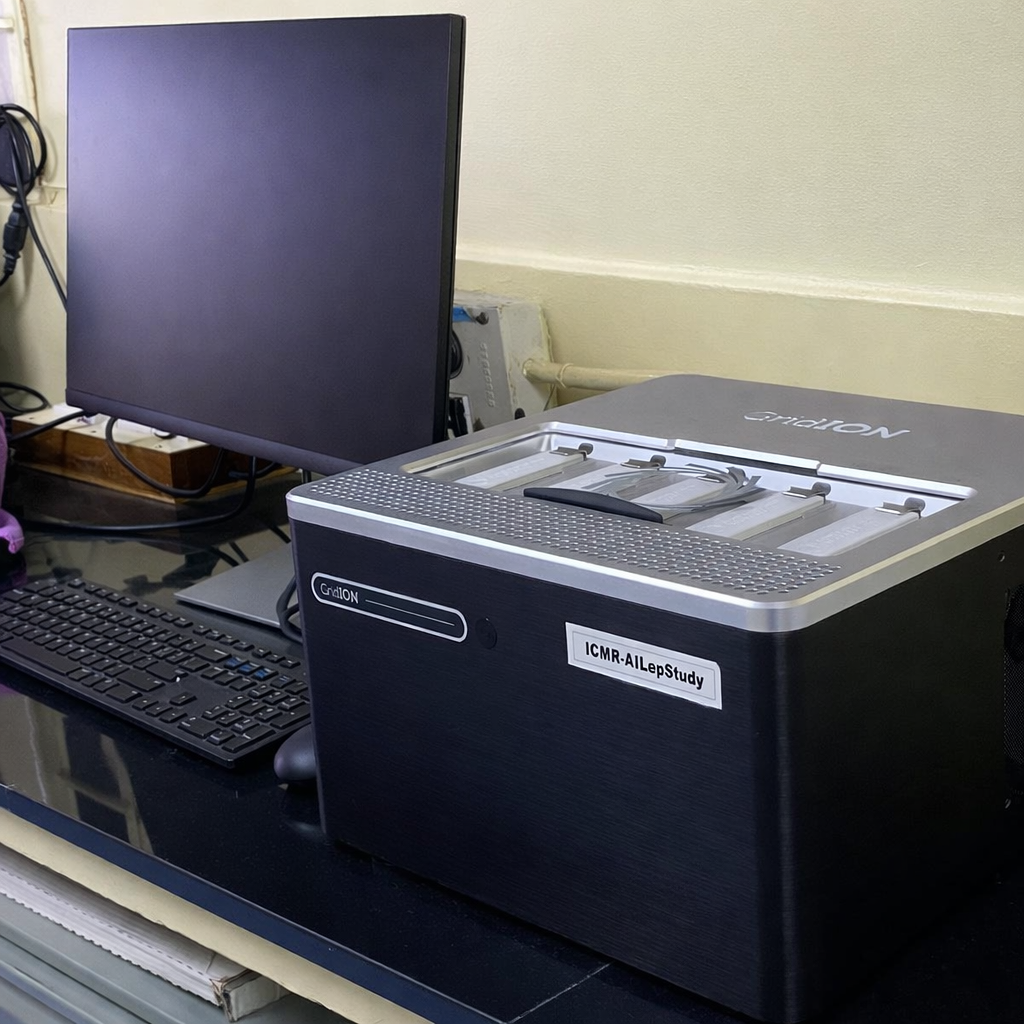 |
Oxford Nanopore GridION Sequencing System
A high-throughput nanopore sequencing platform used for whole-genome and targeted sequencing of Mycobacterium leprae to support genomic surveillance, mutation analysis, and translational research.
|
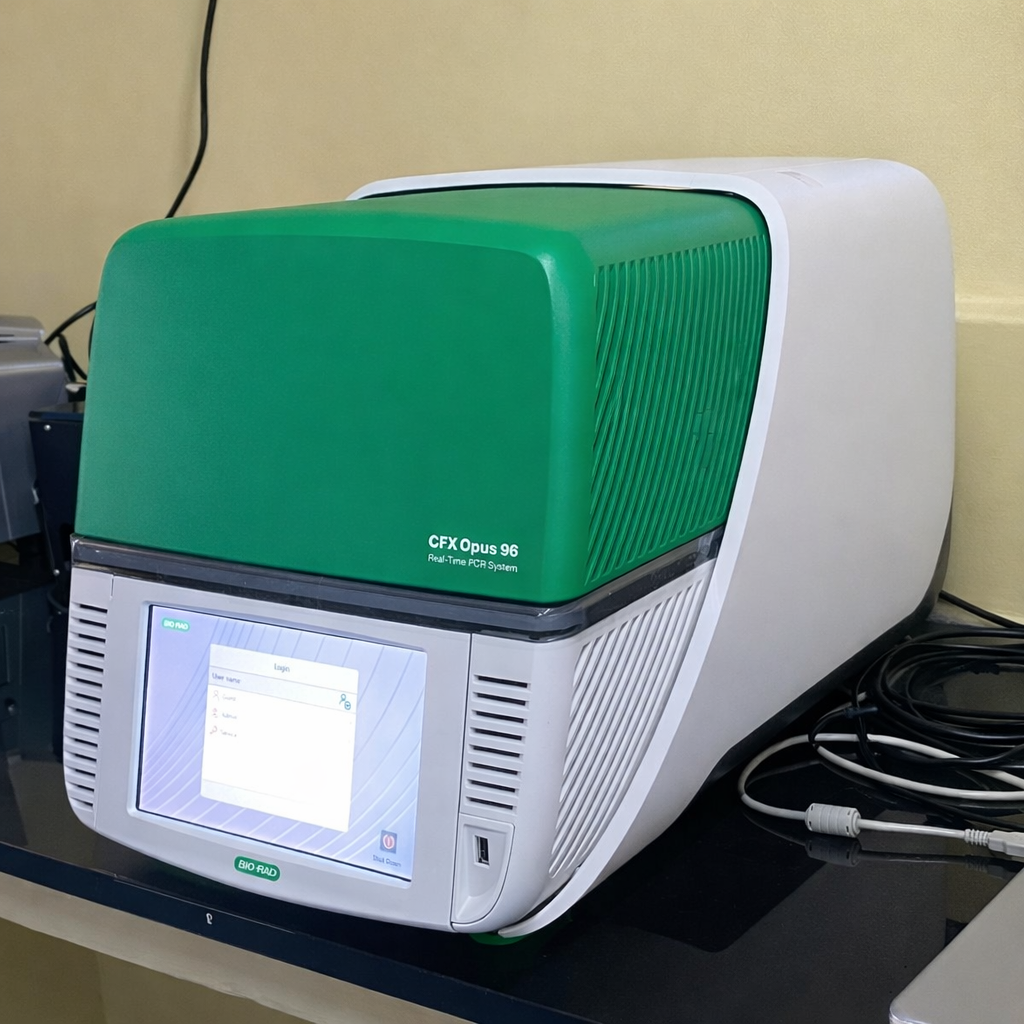 |
Bio-Rad CFX Opus 96 Real-Time PCR System
A real-time PCR platform used for sensitive detection and quantification of Mycobacterium leprae DNA and RNA, including RT_PCR based viability assessment. The system supports molecular diagnosis, drug resistance studies, and epidemiological investigations.
|
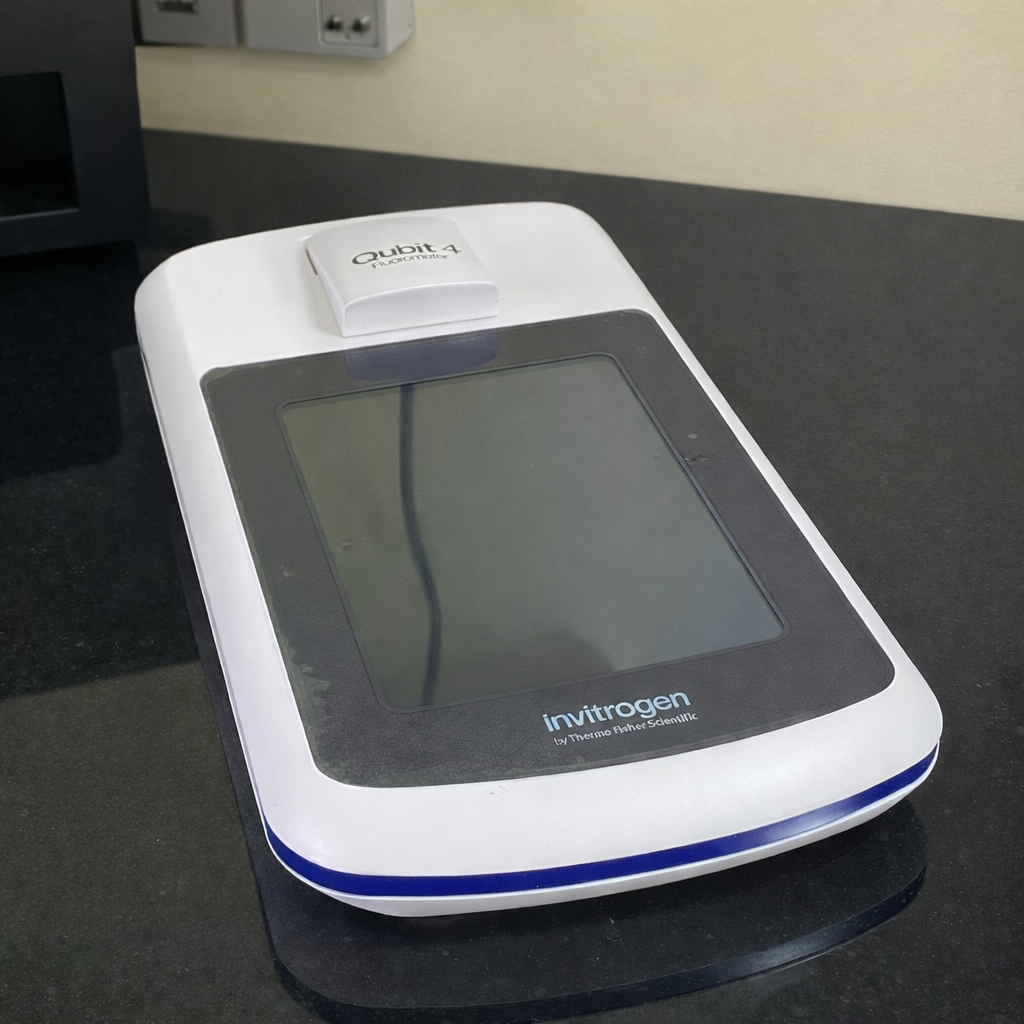 |
Invitrogen QubitTM 4 Fluorometer
A fluorescence-based quantification system used for accurate measurement of DNA and RNA concentration prior to PCR, sequencing, and genomic workflows.
|
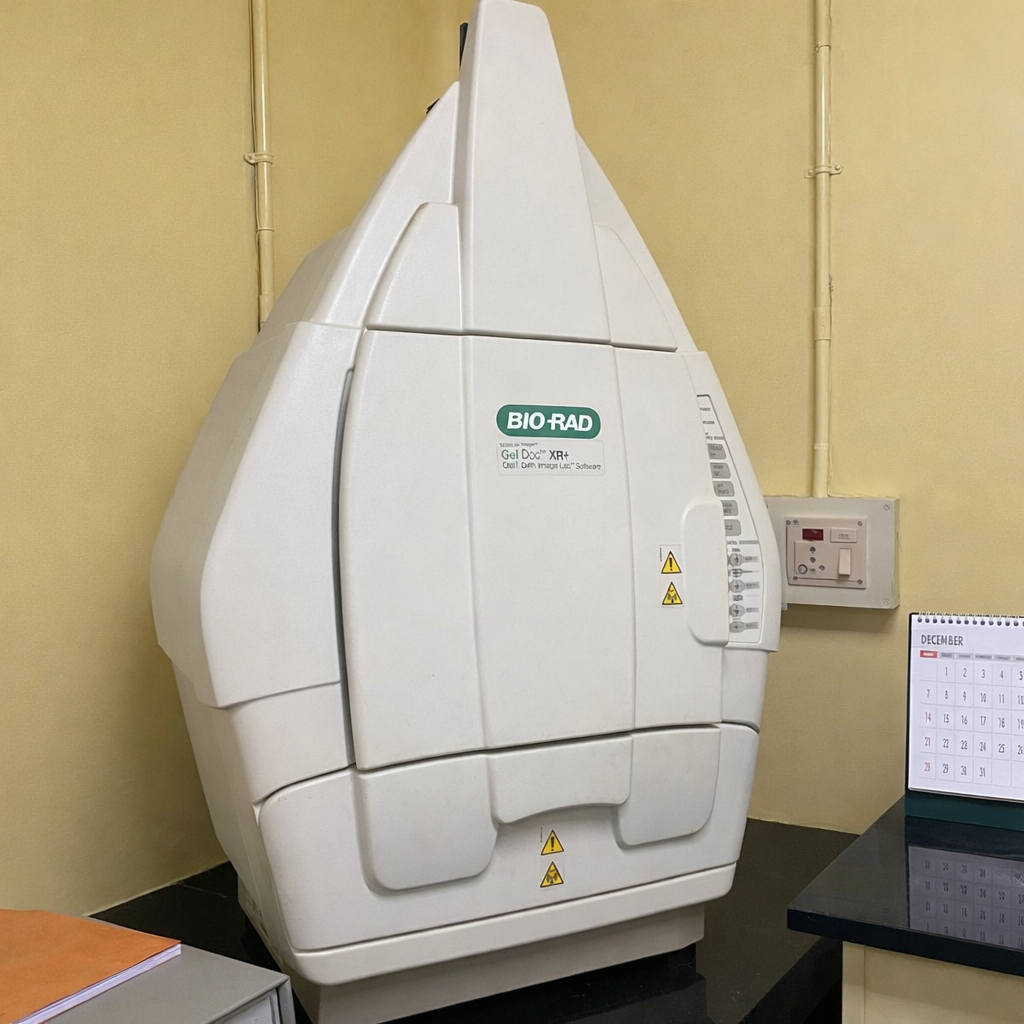 |
Bio-Rad Gel DocTM XR+ Gel Documentation System
A gel imaging and documentation system used for visualisation, analysis, and archival of DNA and RNA electrophoresis results.
|
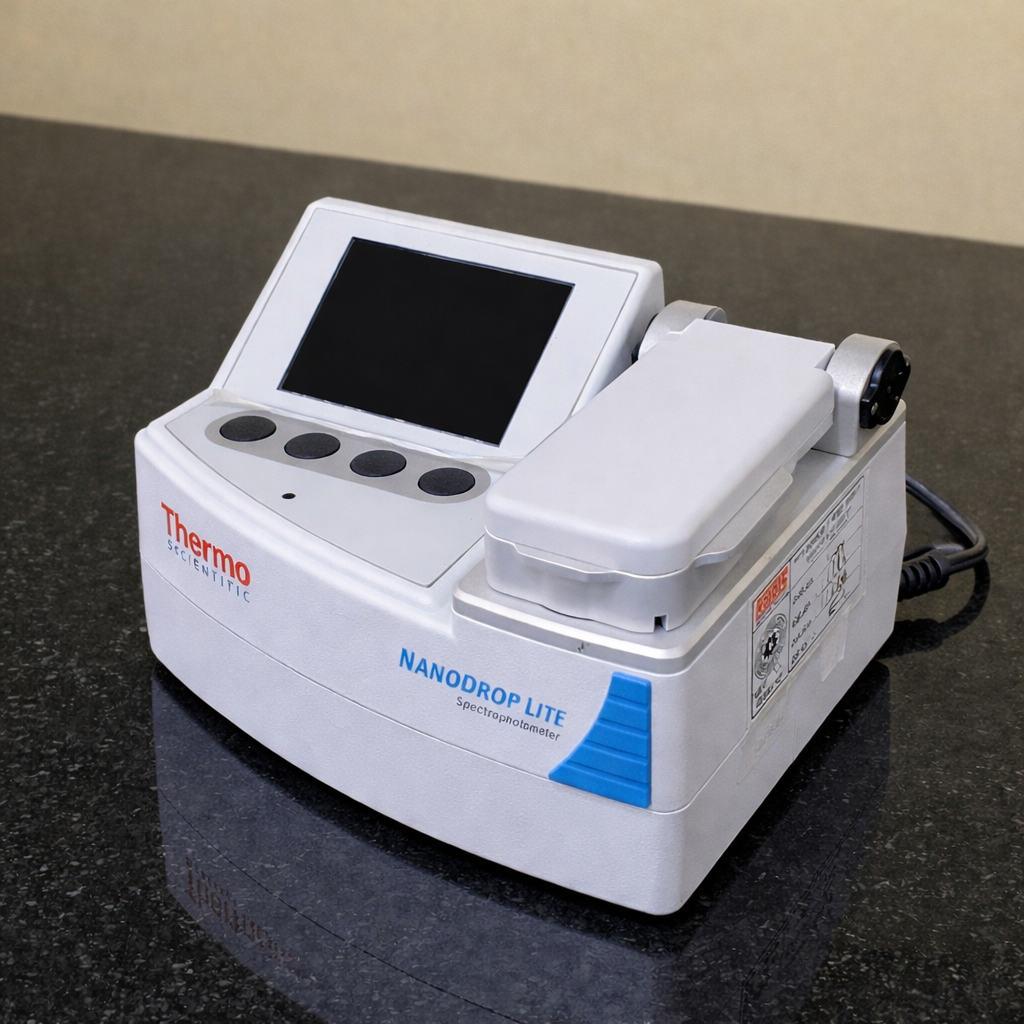 |
Thermo Scientific NanoDropTM Lite Spectrophotometer
A micro-volume UV-Vis spectrophotometer used for rapid estimation of nucleic acid concentration and purity.
|
Mail ID: molbio@karigiri.org
Phone: +91 90667 38120
+91 416227 4227 Ext – 2249 (Molecular Biology Lab)