by leprosyhealthcare
Share
by leprosyhealthcare
Share
Schiefflin Institute · Karigiri
New Boiler at SIHRLC, Karigiri
Enhancing Specialized Microcellular Rubber (MCR) Footwear Technology in the Rehabilitation of People with Insensitive Feet
The Legacy of Schiefflin Institute (SIHRLC), Karigiri
Established in 1955, the Schiefflin Institute of Health – Research & Leprosy Centre at Karigiri, Vellore, Tamil Nadu, is dedicated to leprosy treatment, reconstructive surgery, community rehabilitation and allied medical research.
Over the decades, Karigiri has pioneered comprehensive care models addressing both the clinical treatment of Mycobacterium leprae infection and the prevention of permanent physical disabilities associated with peripheral nerve damage.
The Clinical Challenge: Neuropathic Foot Care & MCR Innovation
A major complication of leprosy is peripheral neuropathy, which can cause loss of protective sensation (anaesthesia) in the hands and feet. Without normal pain perception, a person may not notice repetitive plantar pressure, minor trauma or thermal injury. These injuries can progress to plantar ulcers.
Specialized protective footwear helps reduce these risks. Microcellular Rubber (MCR) is used as an insole material for neuropathic feet because of its cushioning and energy-absorbing properties.
- Shore A hardness: Carefully selected hardness provides cushioning and support while helping the material resist excessive compression.
- Energy absorption: Its resilient cellular structure helps distribute peak plantar pressures during walking.
- Biocompatibility: Properly manufactured MCR is suitable for use in footwear designed for sensitive, scarred or vulnerable skin.
The Role of Steam Vulcanization in MCR Manufacturing
High-quality MCR production depends on a controlled thermal and chemical vulcanization process. Blended raw rubber compounds, blowing agents and cross-linking chemicals are heated and cured in specialized moulds.
The installation of the new high-capacity steam boiler is expected to strengthen this manufacturing process in several ways:
- Precise temperature control: Consistent steam pressure supports uniform heating across molding presses and helps reduce structural defects or variations in sheet density.
- Optimal cell expansion: Steady thermal energy helps blowing agents expand more uniformly, producing a consistent microcellular structure with good elastic recovery.
- Enhanced material longevity: Effective vulcanization can improve tensile strength and abrasion resistance, helping MCR insoles retain their protective cushioning during regular use.
Quality Improvement & Operational Efficiency
With the new boiler in operation, SIHRLC expects improvements in the quality and efficiency of MCR production.
- Defect reduction: Better process consistency can minimize rejected sheets during molding.
- Curing efficiency: More reliable steam supply can support efficient batch processing and help increase production capacity to meet regional and national needs.
- Consistent Shore hardness: Improved control can reduce batch-to-batch variation in softness and density, supporting more uniform protection for patients.
Ulcer Prevention & Ulcer-Free Days
By supporting the production of higher-quality MCR footwear, the new boiler can contribute to better protection for people at risk of plantar injury. Preventing recurrent ulcers can reduce the need for hospital admissions and surgical interventions, while helping preserve mobility and independence for people engaged in agricultural, vocational and everyday activities.
Economic Empowerment & Stigma Reduction
Protective footwear designed to resemble commonly worn sandals can help reduce the visible stigma historically associated with leprosy. Comfortable, well-fitting MCR footwear supports people to move with confidence, continue working and participate actively in their communities.
The Contribution of Nancy Hackett
The acquisition and commissioning of this state-of-the-art steam boiler were made possible through philanthropic funding provided by Nancy Hackett.
Her generous contribution addresses a critical infrastructure need at SIHRLC, Karigiri. This support will help the institute continue providing high-quality protective footwear to individuals affected by leprosy, diabetic neuropathy and other conditions associated with loss of protective sensation.
The institute extends its sincere thanks to Nancy Hackett for this valuable contribution, which is expected to improve production quality and benefit thousands of patients.
Key Highlights of the Inauguration Ceremony
- Dedication & blessing: The ceremony commenced with a prayer of dedication led by the Chaplain, acknowledging Karigiri’s history of compassionate service and expressing gratitude to Ms. Nancy Hackett.
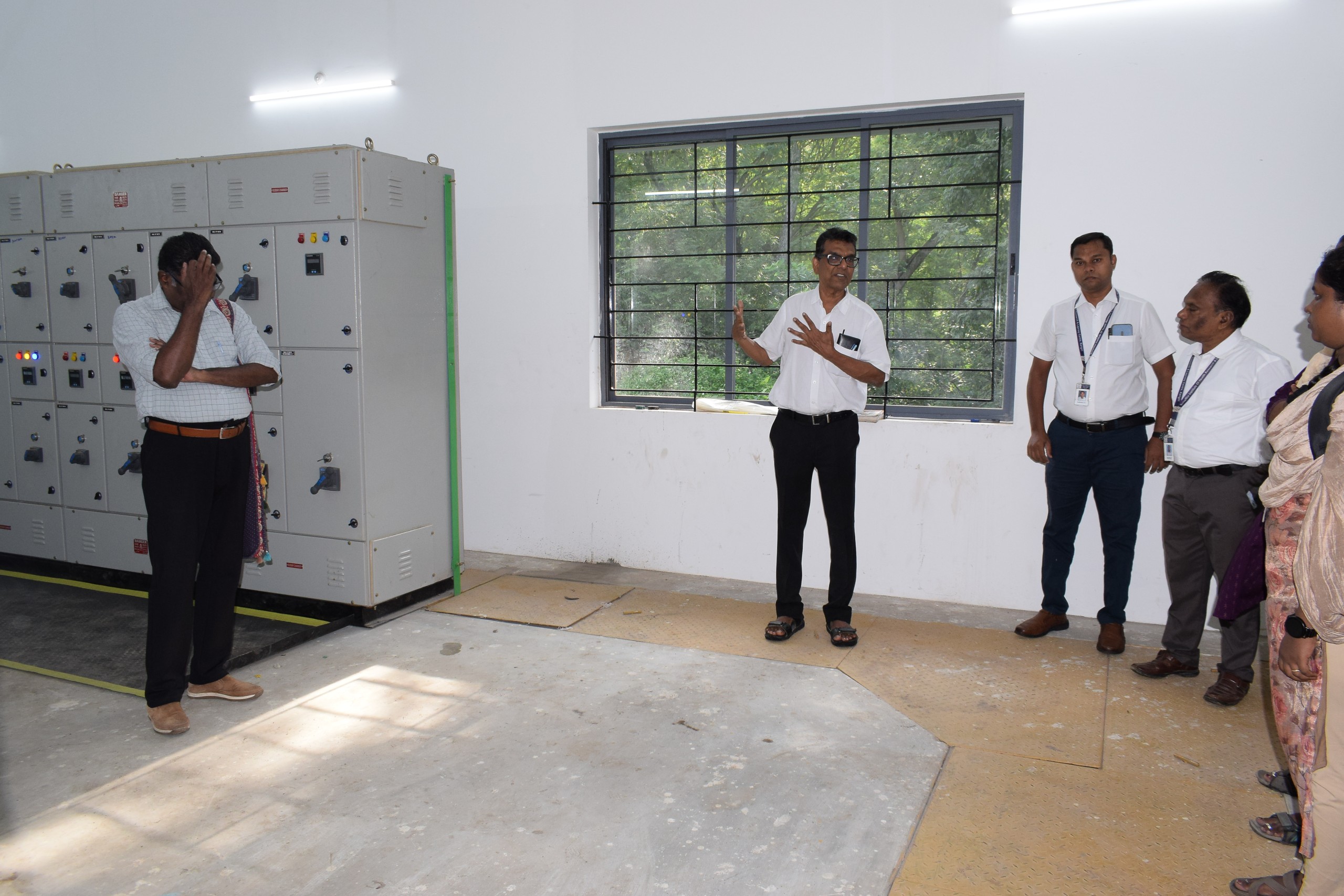
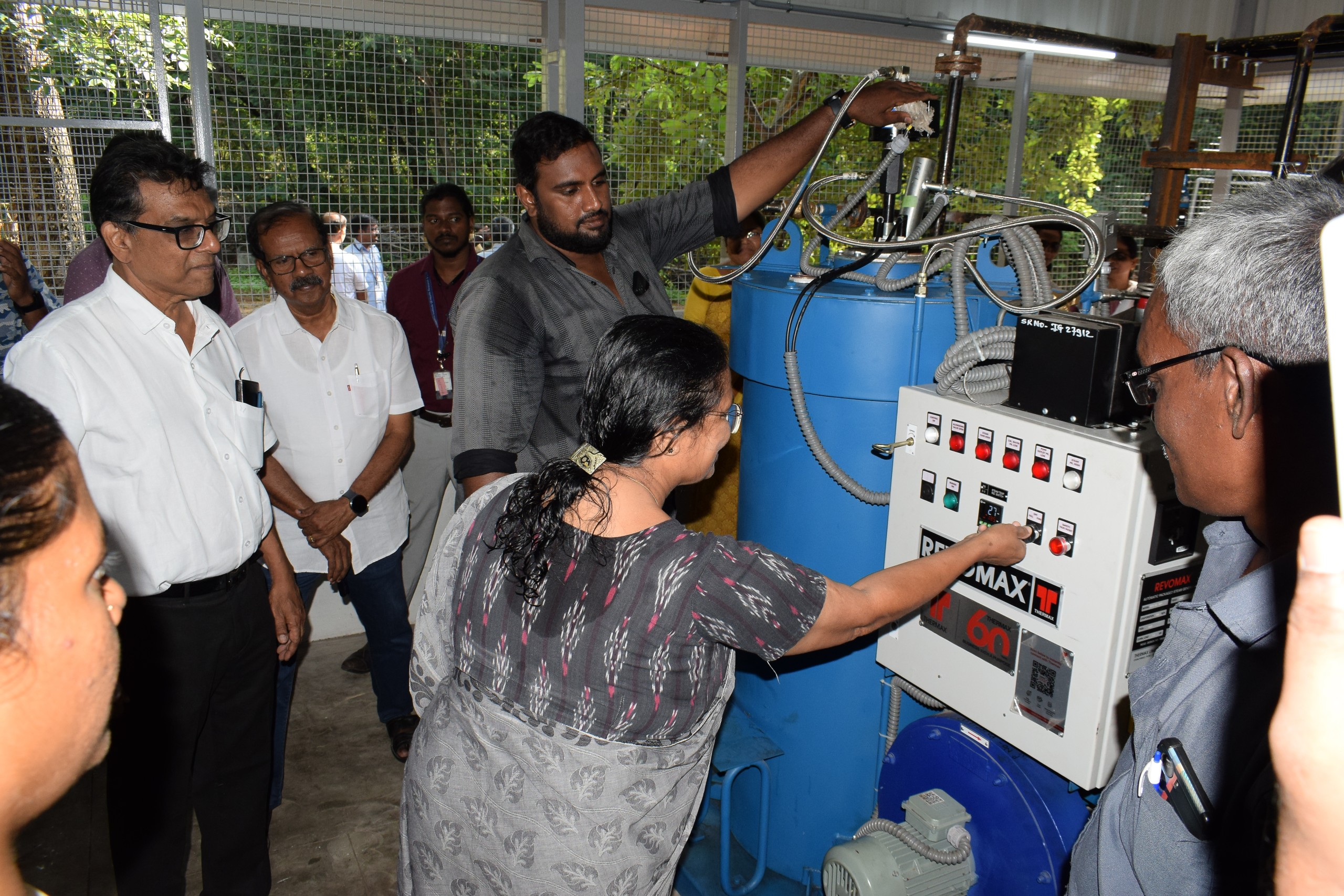
- Official ribbon-cutting: The new boiler unit was formally inaugurated in the presence of the Director, Deputy Directors, administrative staff, the clinical rehabilitation team, department heads and other SIHRLC staff.
- Demonstration run: Technical operators conducted a live demonstration of the boiler system, showcasing automated pressure management, steam-piping integration and the operation of the vulcanization press.
A Stronger Foundation for Rehabilitation
The new steam boiler represents an investment in better manufacturing capability and in the dignity, mobility and independence of people living with loss of protective sensation. SIHRLC, Karigiri, gratefully acknowledges Nancy Hackett’s support in advancing this important work.